
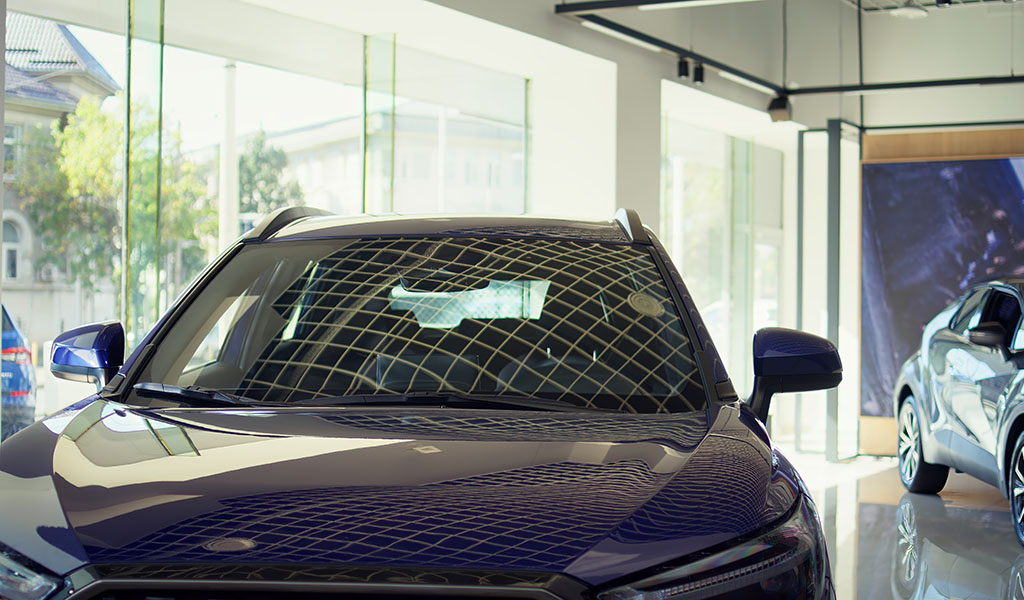
Most drivers only think about their windshield when a chip appears after a loud hit on the road. That single moment often leads to questions about strength, windshield repair, replacement options, and long-term visibility. Knowing when damage can be safely repaired versus when windshield replacement is the better option often depends on understanding how windshield glass is made and how it reacts to impact.
Learning about the types of windshield glass gives you a clearer sense of how each layer works and why repairs behave the way they do. It also explains why different vehicles handle impacts in their own way, especially newer models with cameras and sensors built into the glass area.
Windshields may look simple from the outside, but there is a lot happening within those layers. Understanding what windshields are made of helps you make better decisions when damage spreads or when replacement becomes necessary.
What Windshields Are Made Of
Front windshields in Canada use laminated safety glass. This structure has two glass sheets bonded to a strong plastic interlayer. Anyone curious about what kind of glass a windshield is will always get the same answer. Laminated glass is the only design approved for the front of a vehicle.
Tempered glass is used on the side and rear windows. It breaks into small, rounded pieces when hit. Laminated glass behaves differently. It can crack, but the plastic layer holds the sheet together. This is why a cracked windshield often stays in place even after a hard impact.
Laminated Versus Tempered Glass
Each glass type serves a different job. Tempered glass allows quick exit from the vehicle and reduces injury from sharp fragments. Laminated glass supports the cabin structure and keeps the opening sealed, even when cracked.
Differences Between Laminated And Tempered Glass
Glass Type | Typical Location | Break Pattern | Main Purpose |
Laminated glass | Front windshield | Cracks but stays together | Supports the cabin and improves impact resistance |
Tempered glass | Side and rear windows | Shatters into small pieces | Allows safe exit and reduces sharp fragments |
People sometimes ask if windshields are tempered glass. They are not. Tempered glass cannot carry the weight of the roof, and it cannot hold airbag pressure during deployment.
Comfort Windshields And Everyday Use
Many modern vehicles offer comfort-focused windshield options. These upgrades change sound, heat, and frost removal without altering the safety requirements.
- Acoustic windshields soften wind and road noise during highway driving
- Solar-treated windshields block UV and infrared heat to keep the cabin cooler
- Heated windshields melt frost through thin embedded wires or a transparent conductive layer
Both daily driving and seasonal climate can influence how helpful these features feel. In colder areas, heated windshields save time in the morning. In bright summers, solar glass keeps the dashboard from overheating.
Smart Windshields And Electronics
Many current models rely on cameras, rain sensors, and light sensors built into the windshield area. These features require clean optical quality. Even a small distortion can affect performance.
Vehicles equipped with head-up displays use a wedge-shaped interlayer to prevent double images. Rain and light sensors also need correct factory-fitted brackets so the sensor reads moisture and brightness accurately. These details matter when replacing the glass because the mounting points must match the original layout.
Drivers who learn how cracks behave around sensor housings or heated zones also become more aware of impact patterns. Understanding windshield crack types helps you decide when repair is possible or when replacement is safer.
Safety And Windshield Performance
Windshields do more than block wind. They help maintain cabin structure during a collision. Regulators set strict limits on how far any exterior part of a vehicle can push into the glass area when a crash occurs.1 Modern windshields must stay in place, support the airbag, and keep occupants inside the vehicle. When cracks spread near the edges, that structural support becomes weaker, which is why early repair matters.Types Of Windshield Glass And Replacement Choices
Replacement usually involves comparing OEE vs OEM windshield options. OEM windshields come from the same supplier that produced the original factory glass. OEE windshields follow the same safety standards but may come from a different manufacturer. Both options are safe, but OEM may match acoustic, heated, or solar features more closely.
Drivers also ask how many layers of glass there are in a windshield. Standard laminated windshields have two glass sheets and one plastic interlayer. Some premium models add an extra acoustic or solar film. You can often see the layers when looking at the edge of the glass.
Matching the original layer count and features helps maintain noise levels, heat control, and visibility for sensors. A mismatch can lead to glare, uneven tint, or reduced clarity for ADAS cameras.
Canadian Weather And Real Driving Conditions
Canadian roads and weather put constant pressure on windshield glass. Winter temperature swings create stress inside the laminate. The outer sheet stays cold while the inner sheet warms up quickly. That difference causes stress lines to seek out weak points such as chips or shallow cracks. Road maintenance compounds the problem. When crews spread crushed stone or gravel for traction, vehicles in front can send debris flying toward your windshield. Knowing which type of glass is used in the car’s front windshield helps you understand why immediate repair makes a difference and why some cracks worsen overnight. If you ever notice unusual crack patterns or repeated structural concerns that do not match normal wear, you can report the issue through Transport Canada’s vehicle safety defect reporting process.2Cleaning And Surface Care
Windshield clarity also depends on how the surface is cleaned. Some adhesives and sticker residues can hold dirt or block visibility if they are not removed properly. Many drivers use guides that explain safe removal techniques without scratching the outer surface. One example is learning ways to remove stickers from windshield surfaces without leaving marks in the glass.
FAQs About Windshield Glass
What Kind Of Glass Are Windshields Made From?
Windshields use laminated safety glass made from two glass layers bonded to a plastic interlayer. This design allows the glass to crack while staying in one piece. The interlayer also filters some UV light, reduces noise, and helps the windshield stay attached to the frame during impact. Once you see the edge of a laminated windshield, you can spot the layers clearly.
Which Type Of Glass Is Used In a Car Front Windshield?
Only laminated glass is allowed at the front. This type supports the structure during a collision, holds the airbag in place, and prevents collapse. If you drive a vehicle with camera-based safety features, laminated glass also provides a stable viewing surface so calibration stays accurate after replacement.
What Is The Difference Between OEM And OE Windshields?
OEM windshields come from the original supplier that produced the factory glass. OE and OEE windshields follow the same safety standards but may use different manufacturers. The difference becomes noticeable when your vehicle has specific features. Acoustic layers, heat elements, solar coatings, and camera brackets align more precisely in OEM glass. When comparing OEE vs OEM windshield options, check the label on your current windshield and match the listed features.
Are Windshields Tempered Glass?
No. Front windshields cannot use tempered glass because it shatters completely when hit. This behaviour is useful for emergency exits on side and rear windows, but unsuitable for cabin support. Laminated glass stays intact and helps keep the roof frame stable during a collision.
How Many Layers Of Glass Are in A Windshield?
Most windshields include two layers of glass and one plastic interlayer. Some variations add extra films for noise control or heat reduction. If your vehicle came with one of these upgraded versions, replacing it with a basic laminate may change cabin noise or heating. Checking the original specifications helps you match the right replacement.
A Practical Step For Mississauga Drivers
If you want clarity on the types of windshield glass your vehicle uses or need help choosing between repair and replacement, a quick conversation with a local specialist can save time. You can ask about ADAS compatibility, heated options, solar-treated glass, and the right match between OEE and OEM replacements. When you are ready, you can request a quote through the auto glass quote page for Mississauga so you get guidance that fits your vehicle and your situation.
References
- Canada. Transport Canada. Technical Standards Document No. 219, Revision 0R: Windshield Zone Intrusion. 13 Feb. 2013.
- Canada, Transport. “Report a Potential Safety Defect of Vehicles, Tires and Child Car Seats.” Transport Canada, 14 July 2023, tc.canada.ca/en/road-transportation/defects-recalls-vehicles-tires-child-car-seats/report-potential-safety-defect-vehicles-tires-child-car-seats.